
The Most Common Garage Door Problems in Long Beach, CA, (And How to Fix Them)
Garage door problems in Long Beach, CA, are common and can range from a snapped spring to a weather seal worn down by coastal air. This guide covers the five most frequent issues homeowners in the area encounter, what causes them, and when you can fix a problem yourself versus when to call in a professional.
Long Beach sits right on the Pacific coast, and that proximity to the ocean creates conditions that are tough on garage hardware. Salt air accelerates rust and corrosion on metal components. Warm, dry spells inland followed by cool, damp marine layer mornings cause materials to expand and contract repeatedly. Add in the occasional Santa Ana wind event and the temperature swings that come with it, and you have an environment where these problems can surface faster than in drier, inland cities.
Broken or Worn Springs
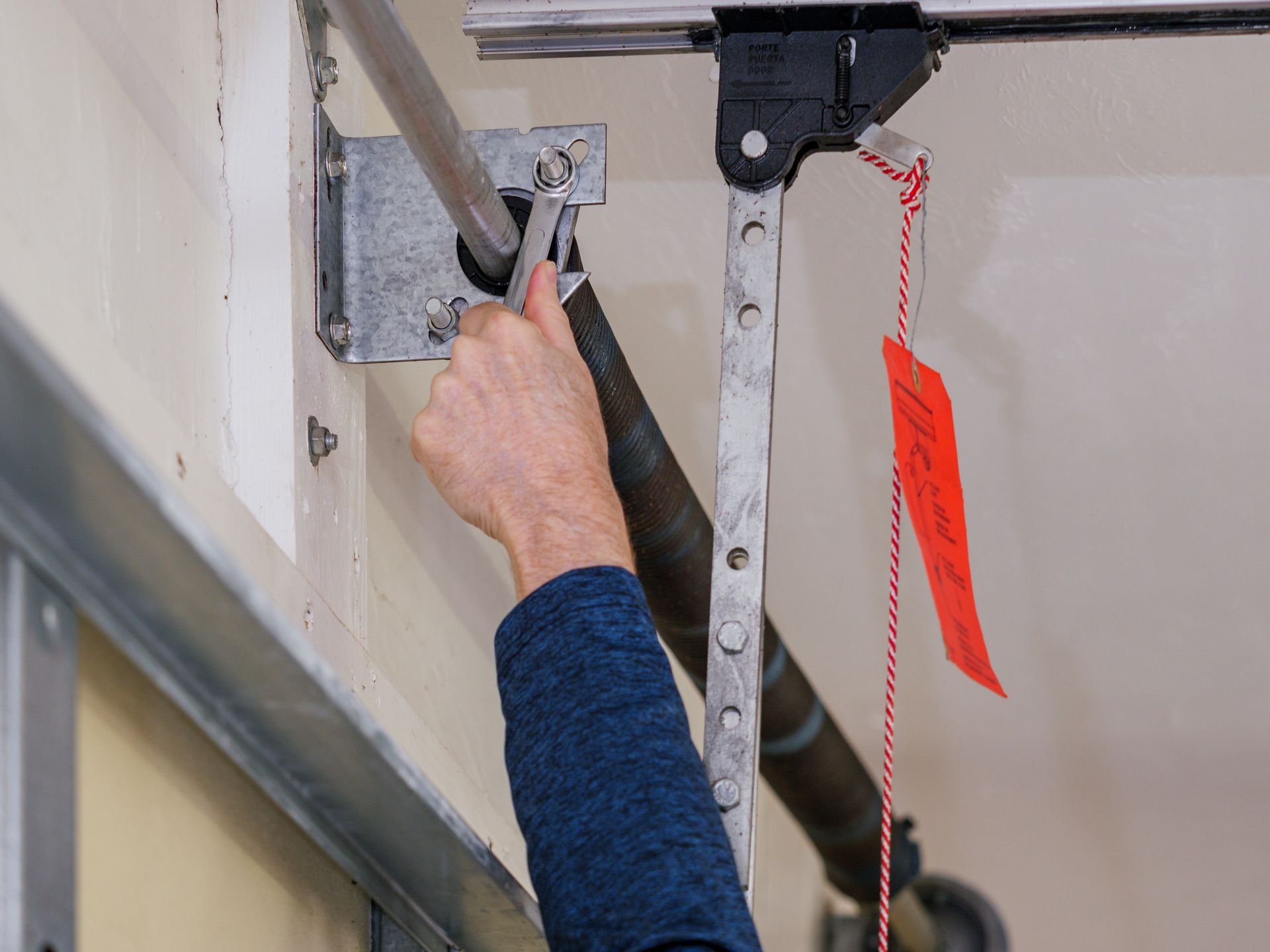
Broken springs are the single most common reason a door stops moving. Springs bear the full weight of the door every time it opens or closes, and they have a rated cycle life. When a spring snaps, the door may drop suddenly, stay stuck on the ground, or feel extremely heavy if you try to lift it manually.
What causes it: Normal wear, corrosion from coastal humidity, and infrequent lubrication all shorten spring life. In Long Beach's salt-air climate, untreated springs can corrode faster than the manufacturer's cycle estimate suggests.
DIY vs. pro:
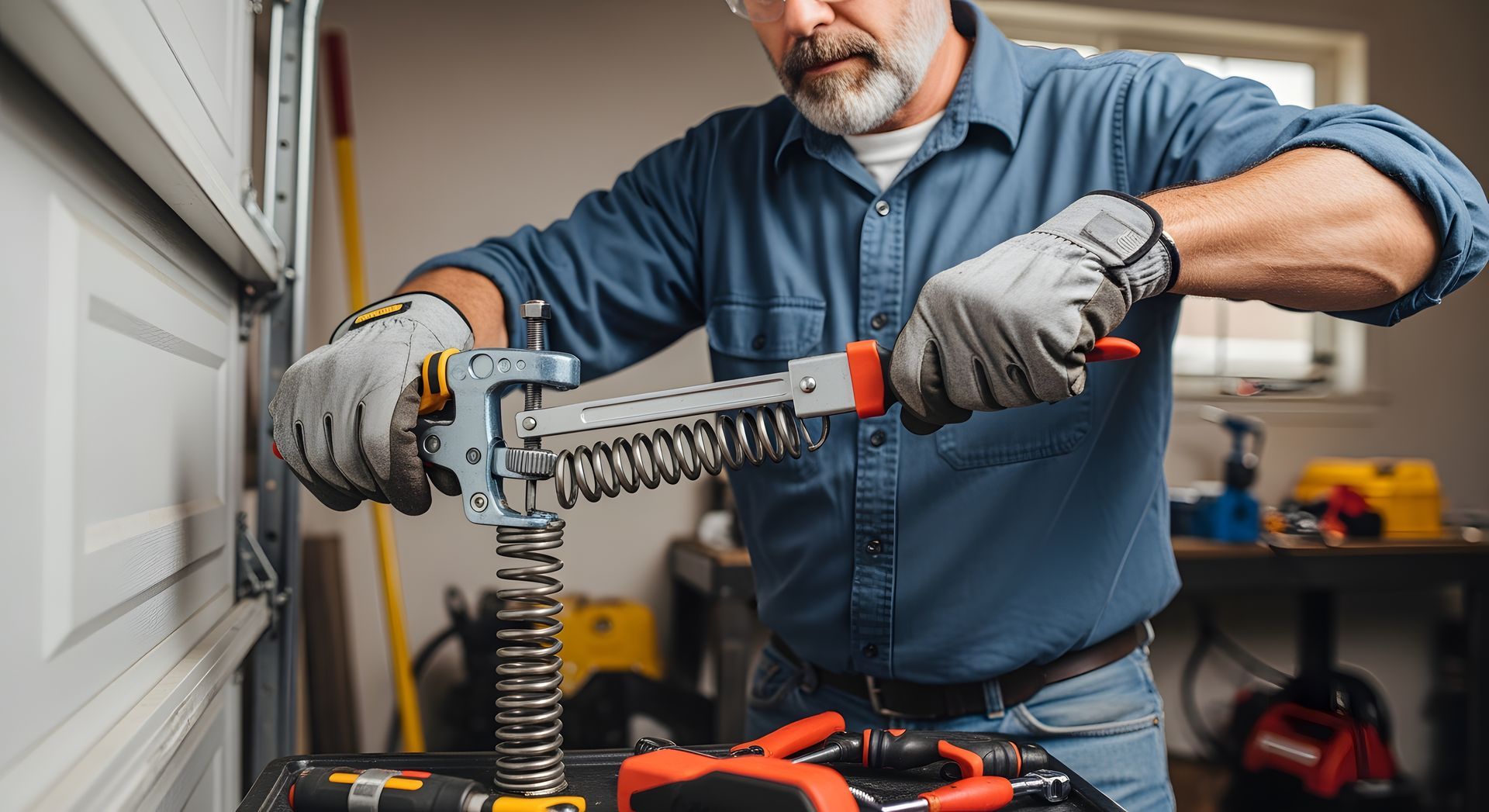
This one is a pro call. These springs are under extreme tension. Replacing them without the right tools can cause serious injury. A trained technician can swap springs safely and match the correct weight rating for your specific door..
Off-Track Panels
An off-track garage door is one where the door has slipped out of its metal tracks on one or both sides. The door may look crooked, get stuck partway, or make a loud scraping sound when it moves.
What causes it: A vehicle bumping the door, worn rollers, bent track sections, or loose hardware can all push a door off its track. Older homes in neighborhoods like Bixby Knolls or Naples may have original track systems that have simply aged out.
DIY vs. pro:
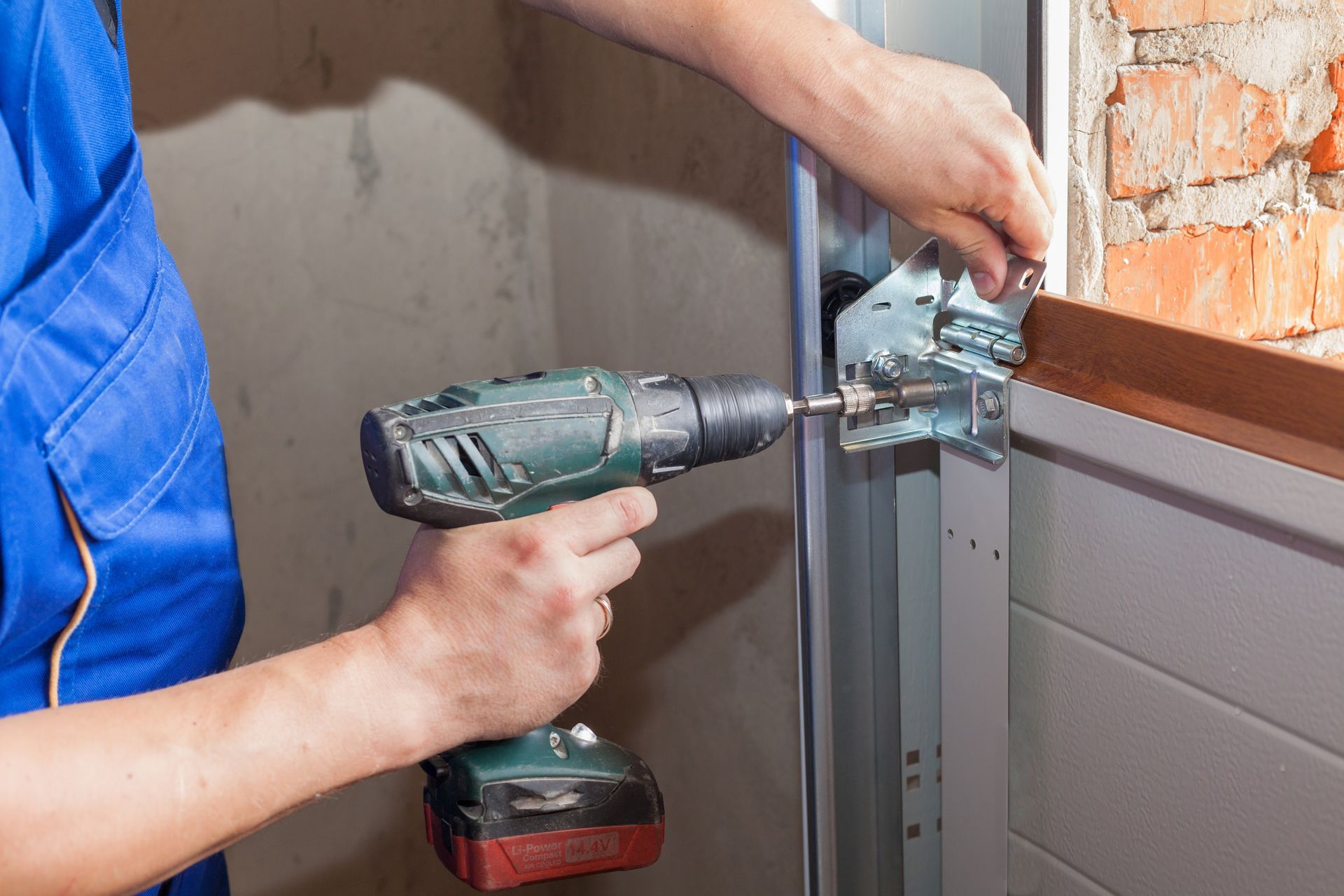
Stop using the door immediately. Forcing a door that is off-track can bend panels permanently or snap cables. Realigning a track takes specialty tools and knowledge of the tension system. Call a technician.
Opener Failures
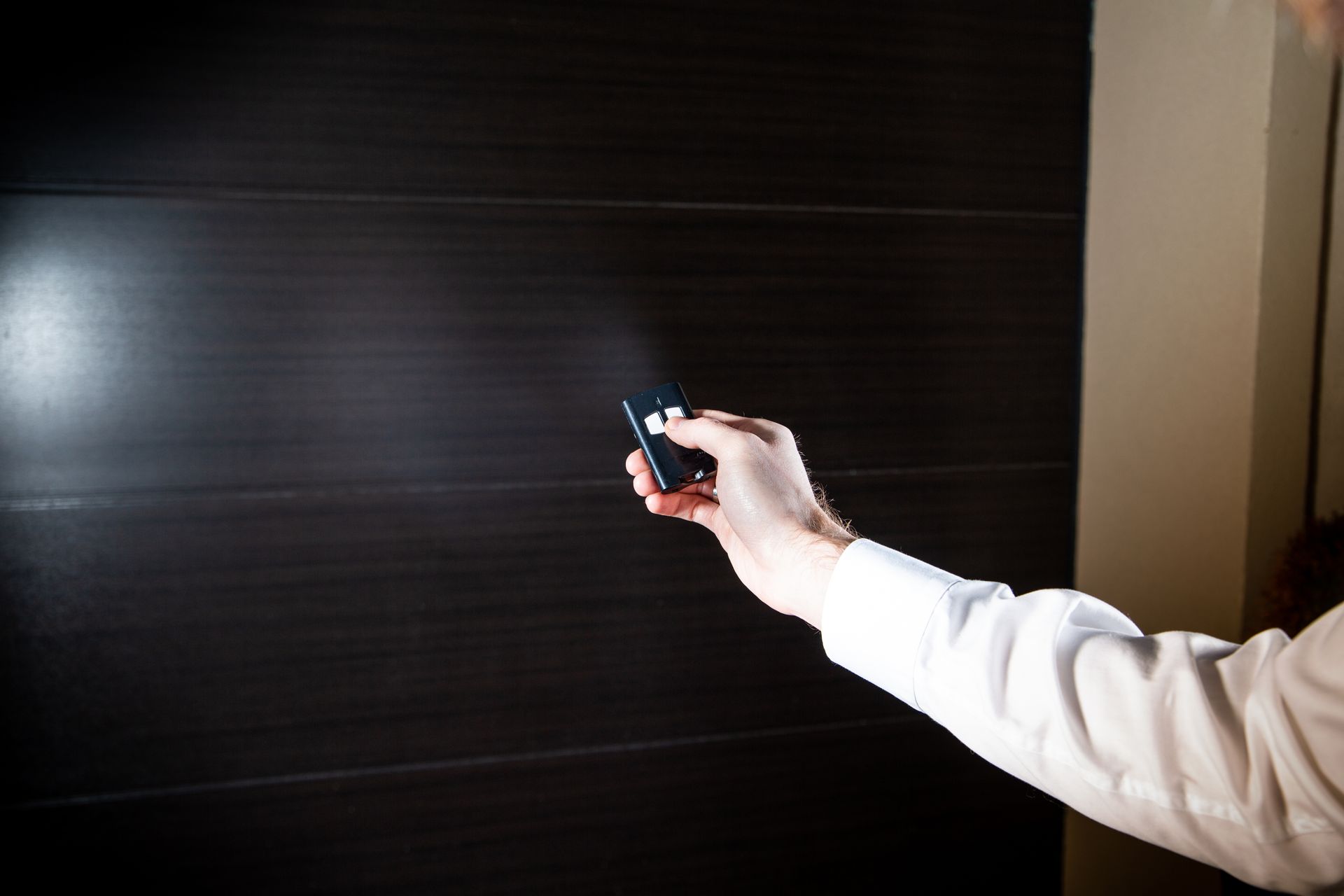
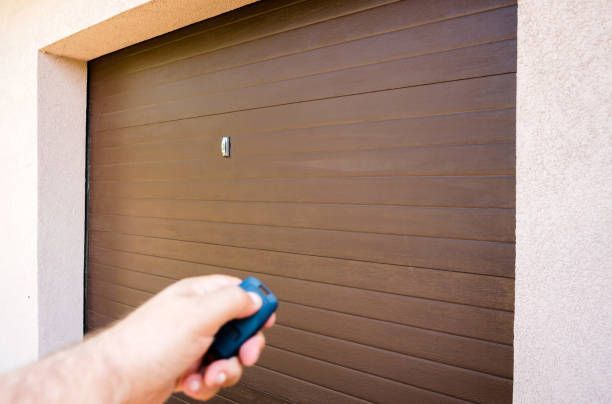
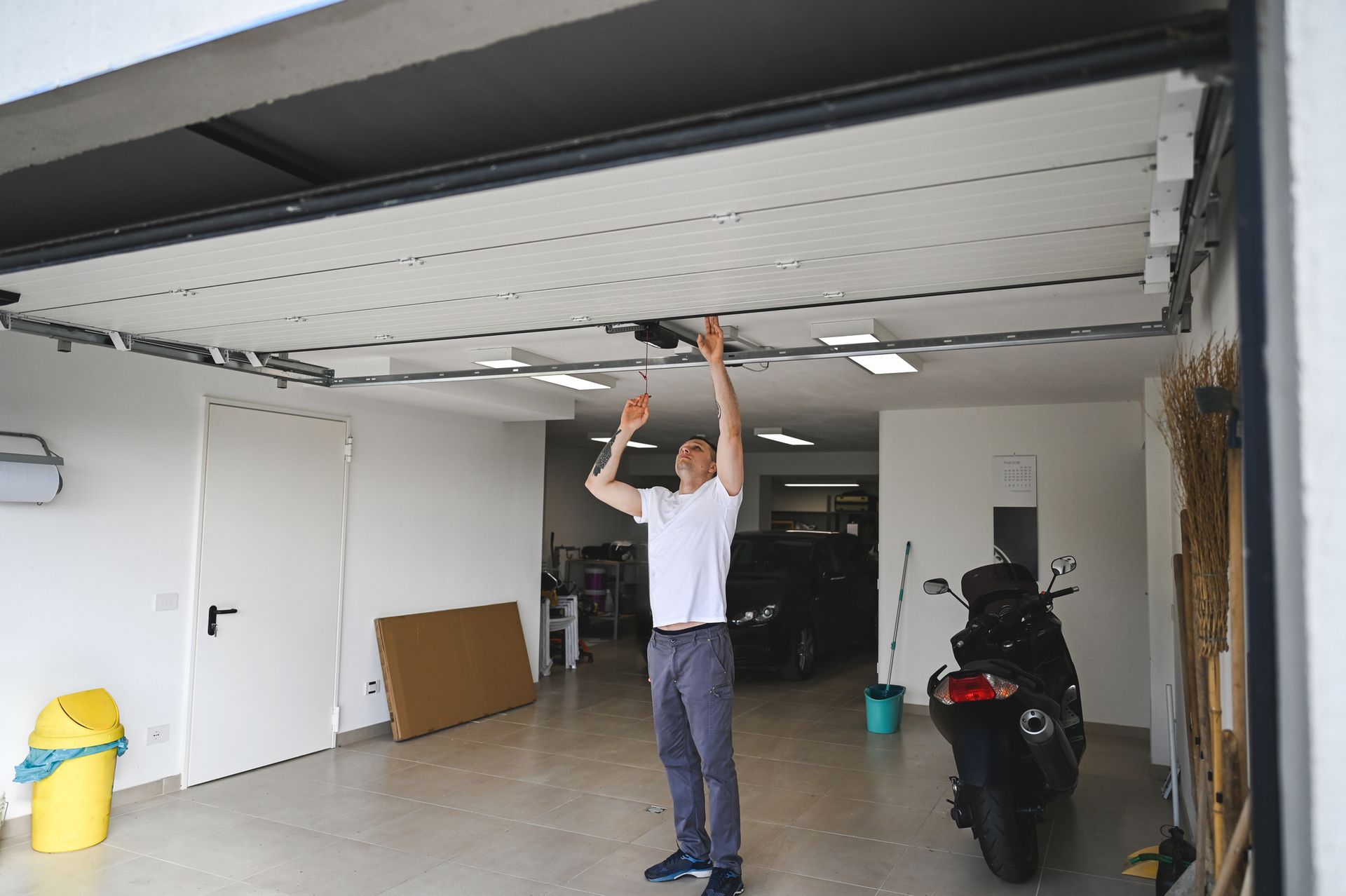
Opener failures show up in a few ways: the motor runs but the door does not move, the door reverses before it fully closes, or the remote or wall button stops responding.
What causes it: Electrical surges, worn drive gears, misaligned safety sensors, and dead remote batteries are the most frequent culprits. In Long Beach, power fluctuations during high-demand summer months can sometimes fry a circuit board.
DIY vs. pro:
Start simple. Check the batteries in your remote, clear any objects from the sensor path, and make sure the safety sensors near the floor are aligned (look for a solid green and amber light on each sensor). If the motor runs but nothing moves, or if the circuit board has visibly burned components, that is a job for a professional.
Weather Seal Wear
The rubber seal along the bottom and sides of your door keeps water, pests, and outside air from getting in. When it fails, you may notice water pooling on the garage floor after rain, visible light gaps around the door edges, or a rise in indoor temperatures.
What causes it: Long Beach's coastal climate is especially hard on rubber seals. UV exposure, salt air, and the repeated compression of the seal against the ground cause cracking and brittleness over time. Bottom seals on doors facing south or west tend to degrade fastest due to direct sun.
DIY vs. pro:
Bottom seal replacement is one of the more accessible DIY tasks for a handy homeowner. The seal slides into a retainer channel on most doors and can be purchased at a hardware store. Side and top seals are similarly straightforward. If the door frame itself is warped or the seal keeps tearing quickly, a technician can diagnose whether the door needs realignment.
Noisy Operation
A garage door that rattles, grinds, squeaks, or bangs is not just annoying. It often signals a component that is starting to fail.
What causes it: Loose hardware, dry rollers, worn hinges, or an unbalanced door can all produce noise. Nylon rollers tend to run quieter than steel, so older doors with original steel rollers are a frequent offender. In homes near the water, hardware corrosion adds friction to the system.
DIY vs. pro:
Tighten any loose nuts and bolts you can safely access and apply a lubricant (not WD-40) to the rollers, hinges, and springs every six months. If the grinding persists or the door feels unbalanced when you disconnect the opener and try to lift it manually (it should stay at mid-height), have a technician balance the door.
Get Expert Help Serving Long Beach, CA
If your door is giving you trouble, Byers & Butler Inc. offers professional garage door repair serving Long Beach, CA, with experienced technicians who know the unique demands of the local coastal climate. Whether you are dealing with a broken spring, an off-track door, or a failing opener, getting a pro involved early can prevent a minor issue from becoming a costly replacement.
Call (562) 427-5353 for a free estimate, or contact the team online to schedule service. You can also find and review Byers & Butler Inc. on Google.