
Garage Door Repair | Long Beach, CA | Byers & Butler
Knowing when to call a professional for garage door repair can protect your home and your wallet from a small problem turning into a costly emergency. Springs and cables are the hardest-working components of any garage door system, and when they begin to fail, the warning signs are often right in front of you. This guide covers the key indicators that your springs or cables may need replacing, with a focus on Long Beach, CA, where the coastal environment plays a real role in how quickly hardware wears down.
Why Long Beach Homeowners Face Faster Spring and Cable Wear
Long Beach sits along the Southern California coast, and that proximity to the ocean matters more than most people realize. Salt air and marine layer humidity accelerate corrosion on metal hardware. Torsion springs mounted above the door and extension springs running along the sides of the tracks can both rust faster in this environment. Cables, which are braided steel, are equally vulnerable. Scheduling garage door repair before a small corrosion issue becomes a full breakdown is always the smarter call. If your garage hardware has not been inspected in a year or more, a checkup is worth scheduling before a failure occurs.
Seven Signs Your Garage Door Springs or Cables May Need Replacing
Professional garage door repair in Long Beach, CA, often starts with a homeowner noticing something that just seems "off." Here are seven warning signs to watch for.
The Door Moves Slowly or Unevenly
A healthy garage door rises and lowers at a steady, even pace. If one side moves faster than the other, or the door hesitates and jerks during travel, that can point to a cable that has stretched or partially frayed. Uneven movement puts extra stress on the opener motor and the tracks, and a garage door repair call at this stage can prevent the problem from escalating.
You Hear Loud Grinding or Banging Sounds
A sudden loud bang, especially one that sounds like a gunshot, often means a torsion spring has snapped. Grinding or scraping sounds during operation may indicate worn spring coils or a fraying cable dragging against the track. Either sound warrants a close look before you use the door again.
The Door Feels Heavier Than Usual
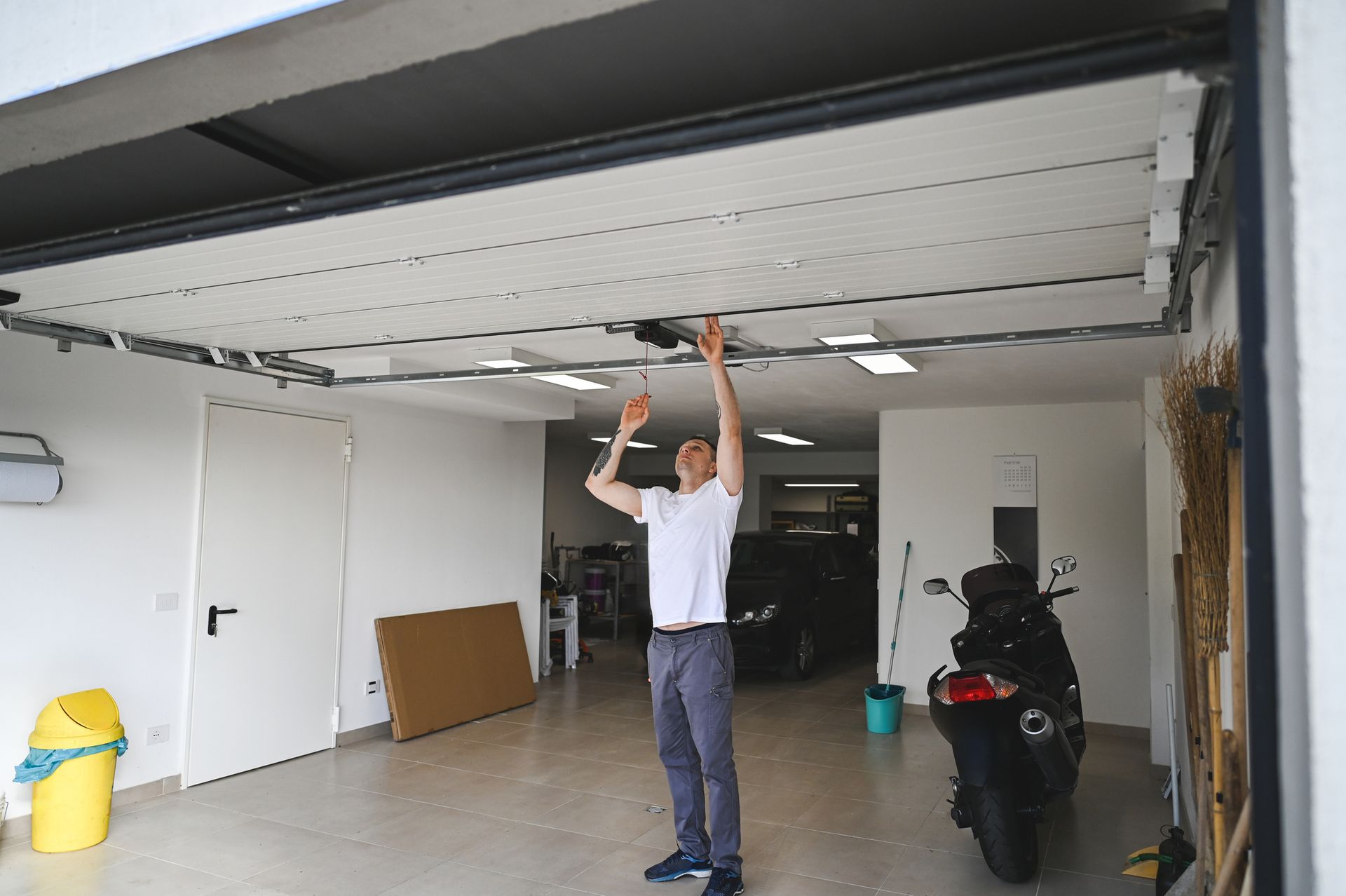
Disconnect your automatic opener and lift the door manually to about waist height, then let go. A properly balanced door should stay in place. If it drops quickly, the springs may no longer be providing the right counterbalance tension. Heavy doors strain openers and can become dangerous if a spring fails completely.
You Can See Visible Cable Fraying or Gaps in the Spring
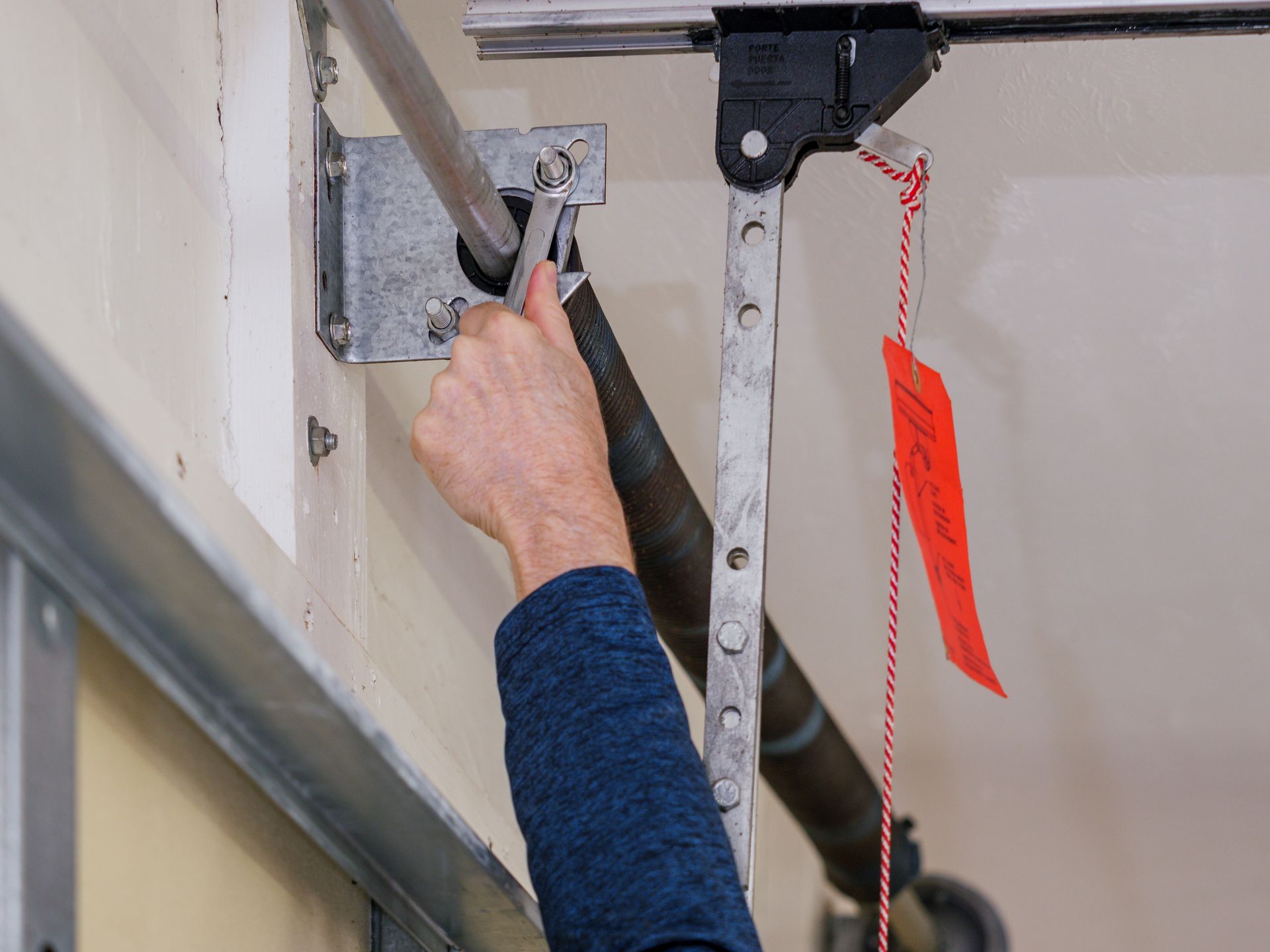
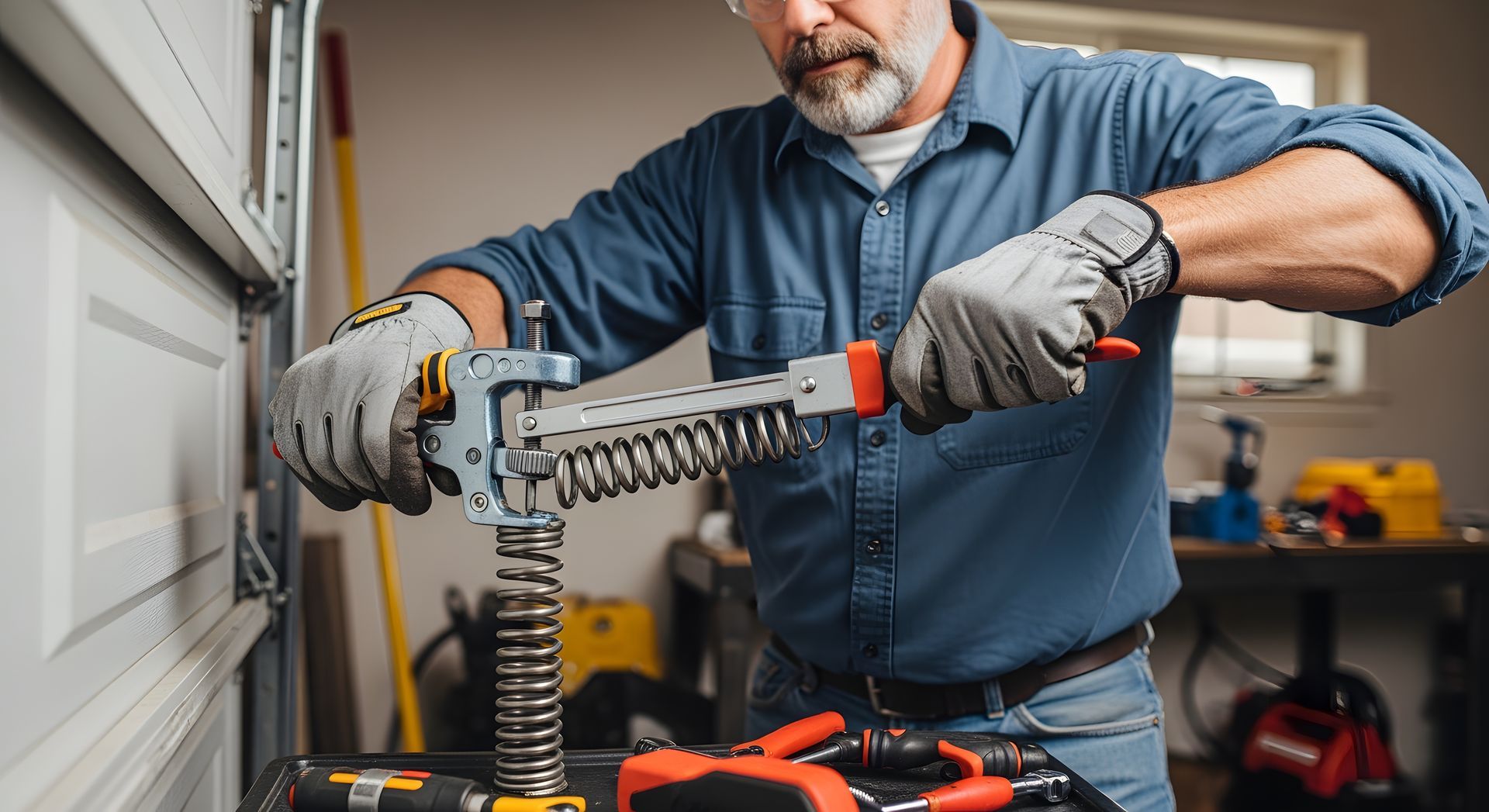
Look at the cables running along the lower corners and sides of your door. Visible fraying, kinks, or loose strands mean the cable is weakening and could snap under load. On torsion springs, a visible gap in the coil is a clear sign the spring has broken and needs replacing immediately. Never attempt to repair a broken torsion spring on your own. These springs are under extreme tension and can cause serious injury.
The Door Will Not Open All the Way
If the door lifts only a few inches and stops, or rises partway then reverses, a broken spring is one of the most common culprits. The opener senses the unusual resistance and stops as a safety measure, but the underlying cause still needs professional garage door repair.
Uneven Gaps Along the Bottom of the Door
If one side of the door sits higher than the other when closed, a cable on that side may have slipped, snapped, or gone slack. This is common in older Long Beach neighborhoods like Bixby Knolls, Wrigley, and Belmont Heights, where garage doors often see years of heavy daily use.
The Door Looks Crooked When Closed or in Motion
A door that tilts to one side while moving is almost always a cable problem. Both cables must be under equal tension for the door to travel straight. Left unchecked, this can warp the tracks and create a more expensive garage door repair down the road.
Torsion Springs vs. Extension Springs: Know What You Have
Torsion springs sit horizontally above the door opening on a metal shaft. Extension springs run parallel to the horizontal tracks on either side of the door. Both types can be found in Long Beach homes depending on the age and style of the garage. Torsion springs generally last longer and are considered safer when they break, since they stay on the shaft. Extension springs can snap outward with force, which is why many systems include safety cables threaded through them. If your extension springs lack those safety cables, a technician can address that during a service visit.
When to Call a Professional
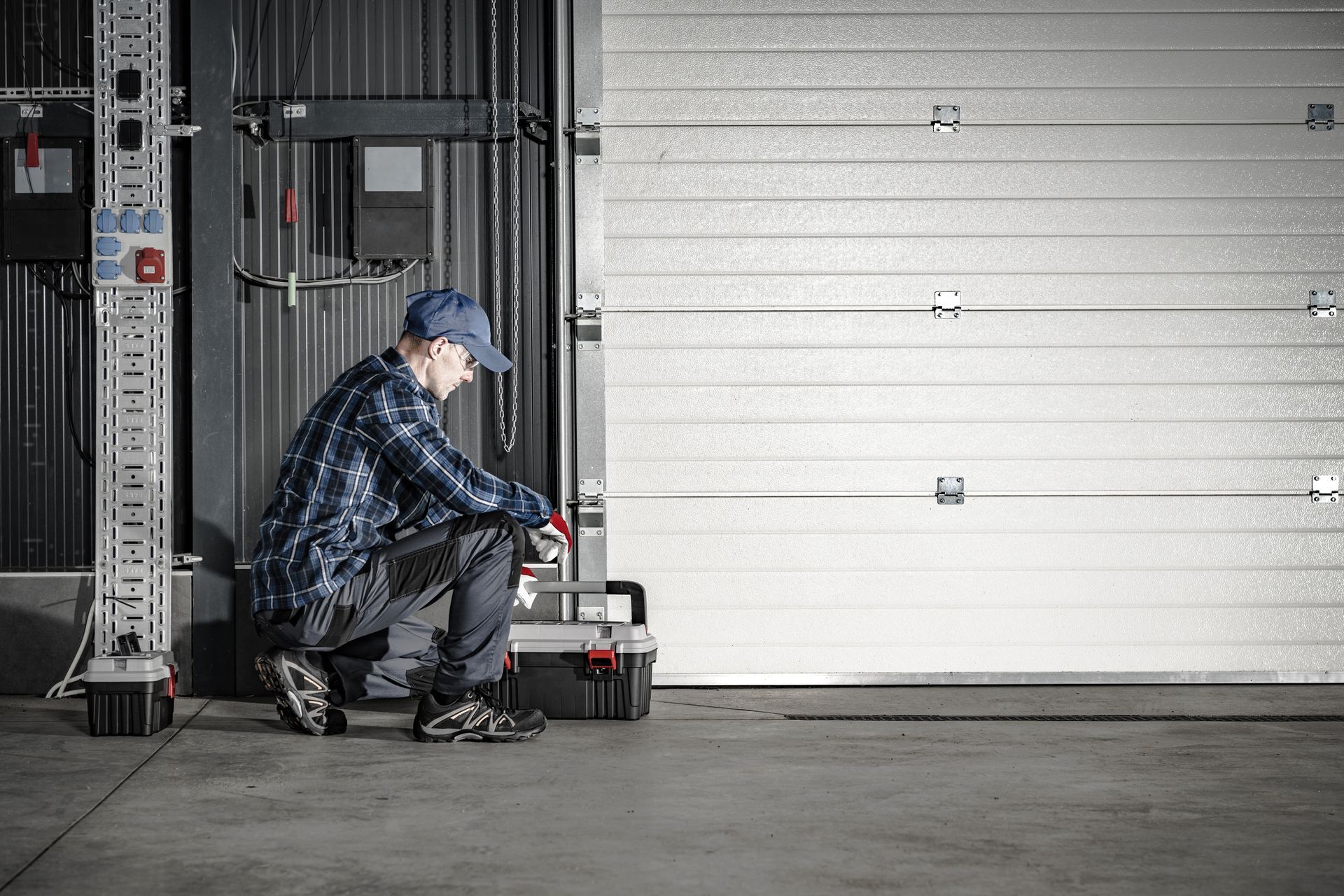
Any broken spring or frayed cable is a job for a trained technician. If you notice any of the signs above, stop using the door and schedule a repair. Continuing to operate a compromised door can cause further damage to the opener, panels, and tracks.
For garage door spring replacement and related hardware, acting quickly tends to keep the scope of the work manageable.
How long do garage door springs typically last? Most torsion springs are rated for a set number of open-and-close cycles. Everyday use combined with Long Beach coastal humidity can shorten that lifespan. A professional inspection can tell you how much life your springs likely have left.
Can I replace a garage door cable myself? Cable replacement is not recommended as a DIY project. Cables connect to the spring system, which is under high tension, and mishandling them can result in serious injury.
How often should I have my garage door inspected? Most professionals recommend at least once a year. In a coastal area like Long Beach, where salt air speeds up corrosion, more frequent checks may be worthwhile if your hardware is more than five years old.
Ready to Schedule Service in Long Beach?
Byers & Butler Inc. has been serving the Long Beach, CA, area for over 50 years and specializes in spring replacement, cable repair, and all aspects of garage door repair. Call
(562) 427-5353 to request a free estimate, or
contact the team online to schedule a service visit. Catching a spring or cable issue early can save you time and prevent a complete door failure at the worst possible moment.